Brand Story


Reimagining Ceramic Tiles
Tajimi Custom Tiles (TCT) is a platform dedicated to exploring the creative potential of ceramic tiles. Based in Tajimi — the center of Japan’s tile industry — TCT connects architects and designers with the craftsmanship and manufacturing expertise of local tile makers. Through a collaborative and experimental approach, TCT encourages new perspectives on ceramic surfaces, where tiles move beyond purely functional materials to become defining elements that shape spaces and architectural identity.
Working closely with manufacturers and designers, TCT explores new possibilities in tile production — from subtle variations in color and texture to complex geometries and innovative applications. To support different project needs, TCT offers several approaches: bespoke tiles developed for individual projects, a semi-custom system created through an online configurator, designer tiles developed with international designers, and a curated selection of tiles produced in Tajimi.
The Craft of Tajimi
Located in Gifu Prefecture, Tajimi is the heart of Japan’s ceramic tile industry and the country’s largest tile-producing region. The area’s ceramic culture originates from the Minoyaki pottery tradition, which began more than 1,300 years ago and continues to evolve through generations of craftsmanship.
Since the early twentieth century, Tajimi has grown into a major hub of tile production, supported by rich clay deposits and a dense network of specialized manufacturers. Workshops contribute diverse expertise, ranging from clay development and traditional molding and firing methods to advanced glazing technologies. This diversity allows Tajimi to produce an extraordinary variety of ceramic tiles and forms the foundation of the region’s global reputation for tile making.
A Platform for Collaboration
TCT was conceived by creative director David Glättli and is founded and operated by X-iS Corporation, which supports the production network through its laboratory and development facilities. The in-house laboratory enables rapid prototyping and sample production, allowing designers to experiment with materials, glazes, and forms.
Beyond bespoke tile production, TCT functions as a creative platform connecting craft, design, and architecture. The TCT Gallery presents collectible design pieces and experimental works created with renowned designers. The spin-off project TILE KIOSK is a web shop offering a curated selection of single tiles, prototypes, samples, and dead stock collected from tile factories. Through initiatives such as design residencies and workshops with emerging designers, TCT invites creative talents to engage directly with Tajimi’s manufacturing culture.
By bringing together industry, craftsmanship, and design experimentation, TCT continues to expand the possibilities of ceramic production and inspire new ways of using tiles in contemporary architecture and interiors.
Diverse Production Methods
The manufacturing methods of Tajimi, ranging from handmade artisanal tiles to automated mass production, are diverse. Typical Tajimi tiles are characterised by a warm, hand-crafted look which represents Japanese authenticity. The firing process is also unique: globally, most mass-produced tiles are fired in roller hearth kilns, characterised by highly controlled and uniform output. In Tajimi, however, tunnel and shuttle kilns are used. The fluctuating firing temperature and longer firing duration of 20 hours or more result in colour variation among tiles from the same batch, giving them their characteristic, vivid appearance. In addition, a method known as reduction firing (as opposed to oxidation firing) can be used with special glazes to create unique textures and colour effects, similar to those found in traditional Japanese pottery.
Extrusion
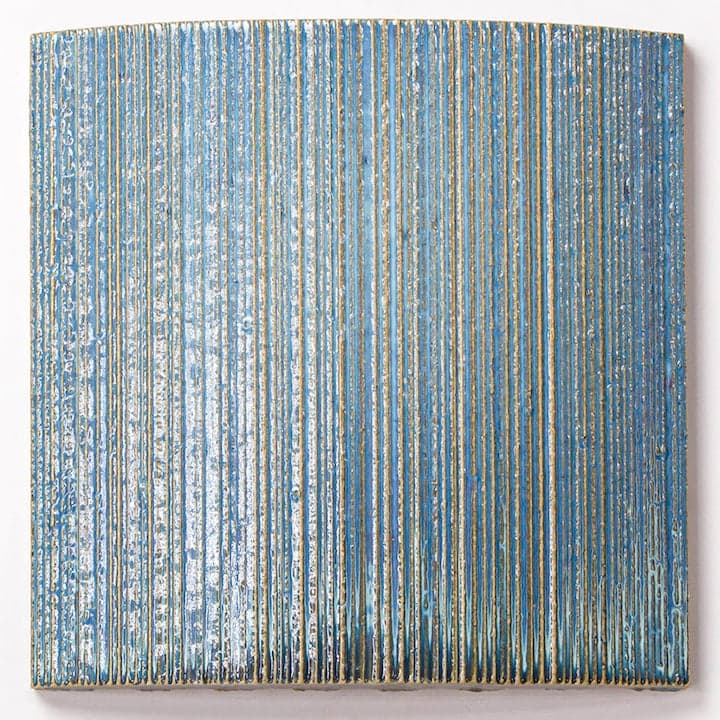
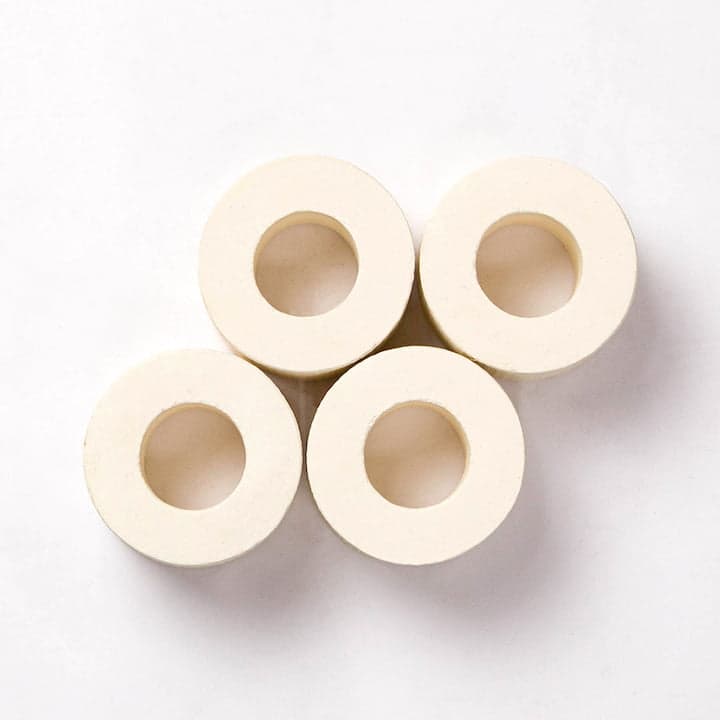
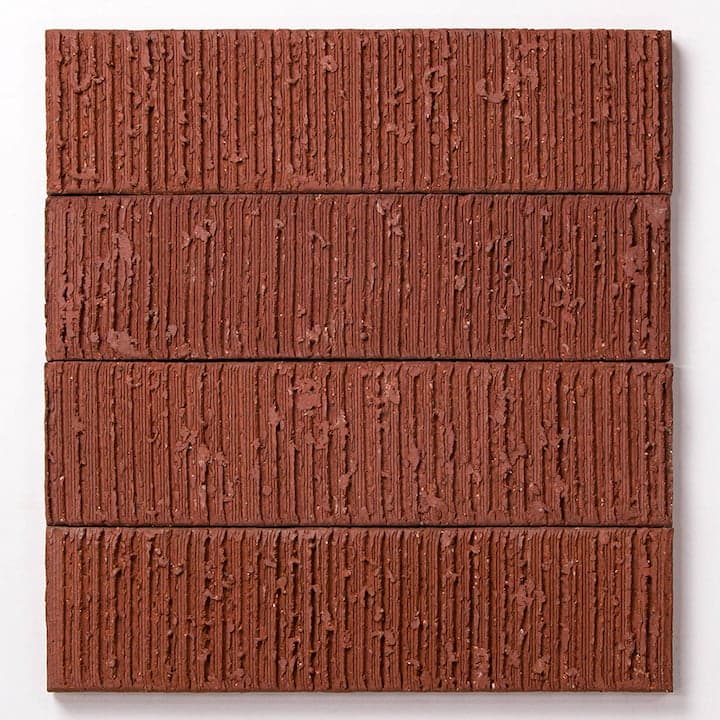
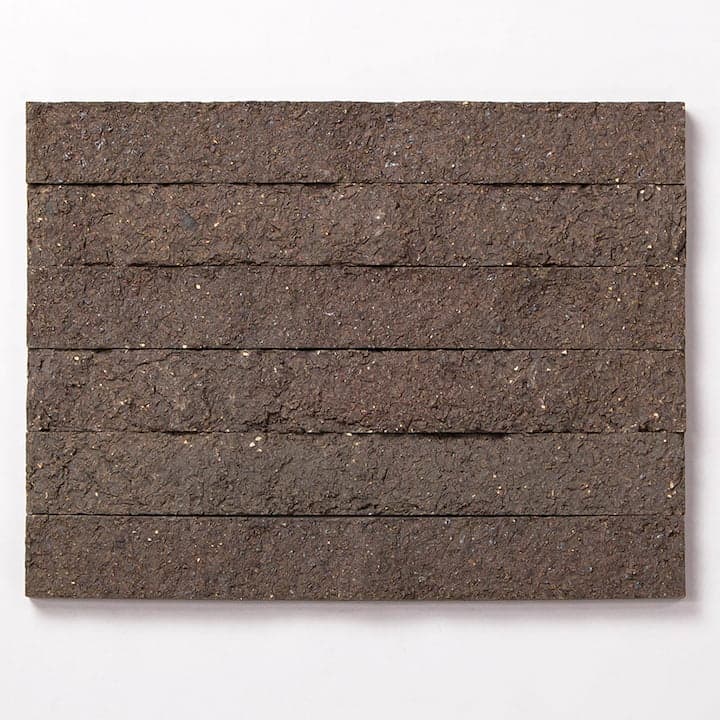
Clay extrusion is a distinctive Tajimi method that has been used for many decades. In this process, wet clay is continuously extruded through a steel die and then cut to the desired length by a wire. This is suitable for the manufacture of mid- to large quantities. Extruded tiles, with their variations in colour and texture, have a particularly warm, hand-crafted look typical of Japanese aesthetics.
Extruded tiles
Dry Press
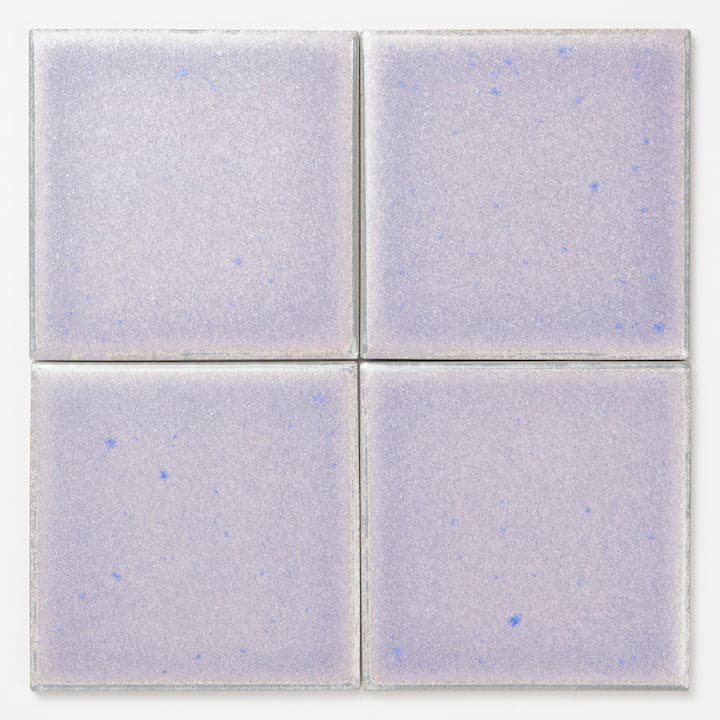
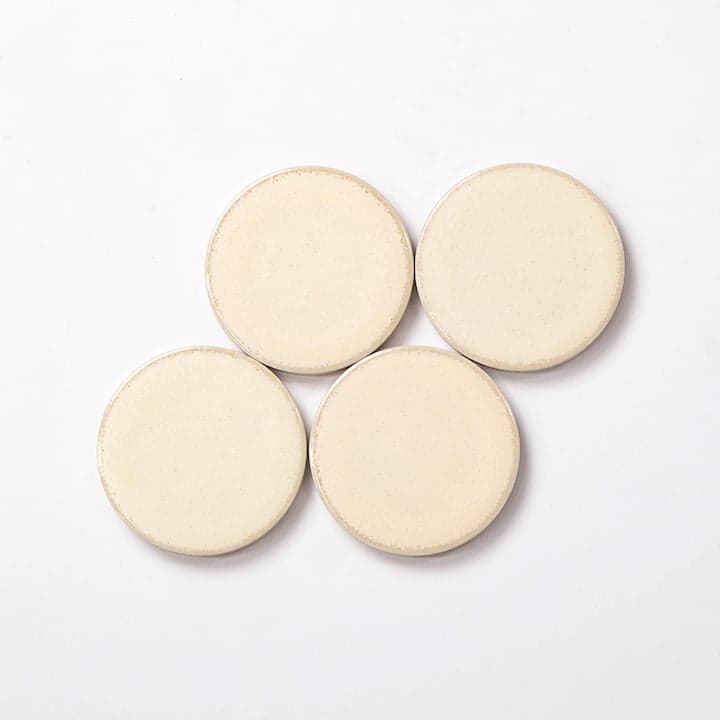
Worldwide, dry pressing is the most common tile production method. In this method, tiles are formed by compressing dry clay powder under high pressure. The tiles are then glazed and fired in a tunnel kiln. The process is highly automated and suitable for the efficient and economic production of very large quantities of tiles with a precise and clean appearance.
Dry pressed tiles
Pressure Moulding
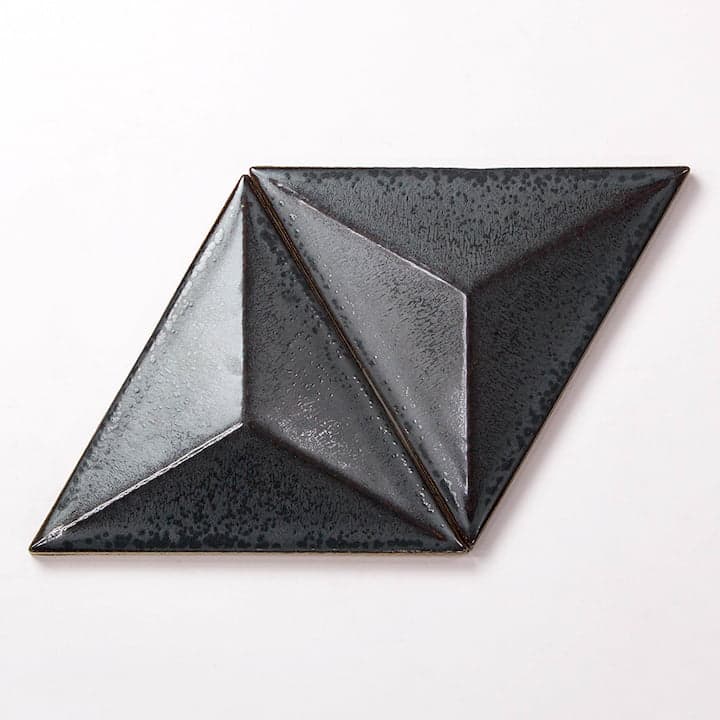
Pressure moulding is a technique often used in Japanese pottery production. Liquefied clay is pressed into closed plaster moulds, which absorb moisture and allow the clay to firm up. The resulting tiles are removed from the mould individually. The process is suitable for small to medium quantities and offers very high detail, even for complex, three-dimensional designs.
Pressure moulded tiles
Wet Press
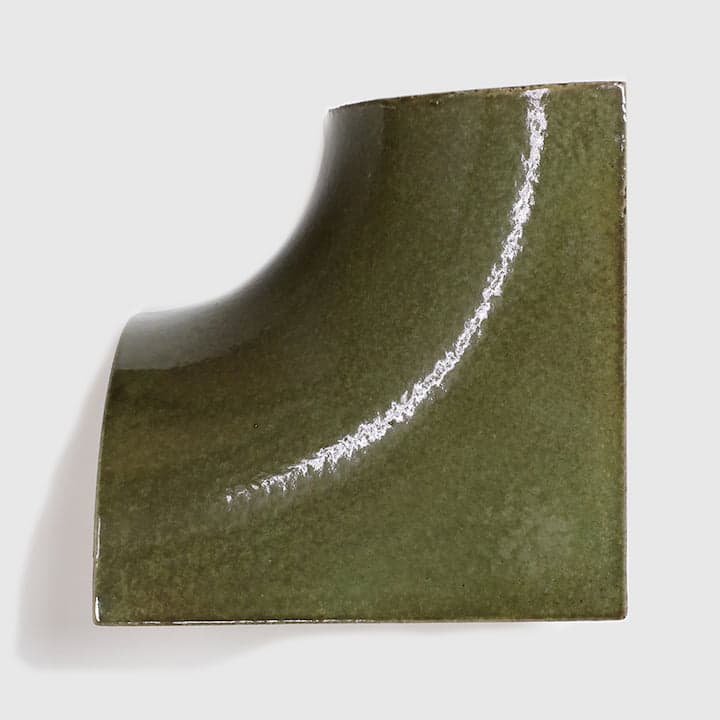
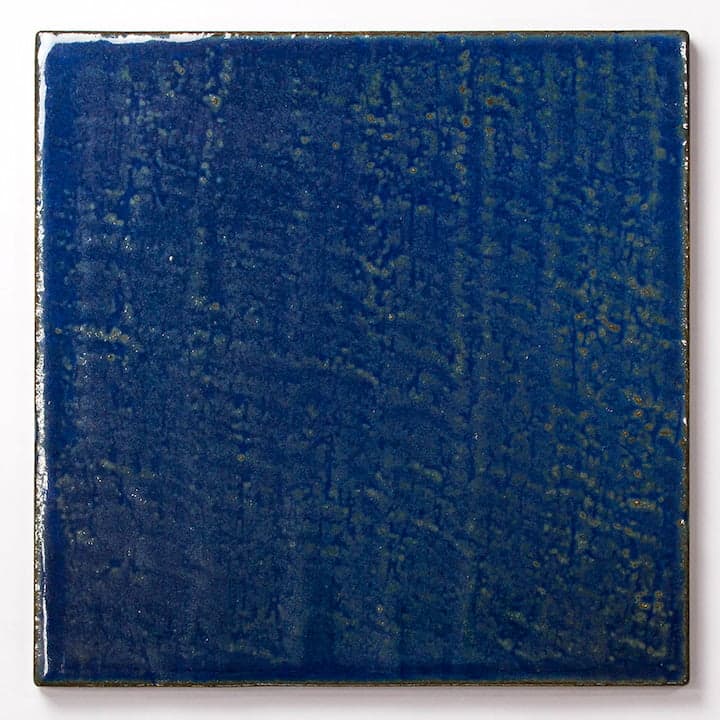
One of the traditional techniques now rarely seen outside Tajimi. Since the entire process, from mould filling to shaping, is done by hand, manufacturing requires more time compared to more automated processes. This method, in which each tile is given a distinctive look, is suitable for expressive designs and the production of very small quantities.